If mealtimes feel like a battle in your home, we want you to know something important:
You are not doing it wrong. And your child is not being difficult.
The refusals. The meltdowns. The limited food choices. The meals where nothing can touch on the plate. The birthday parties where your child won’t eat anything.
These are experiences many families of neurodivergent children know all too well.
For children with Sensory Processing Differences (SPD), eating is rarely “just eating.” It is a complex sensory experience that can feel overwhelming, exhausting, and, at times, frightening.
What Is Actually Happening?
Every meal involves multiple sensory experiences happening at once.
A child isn’t simply tasting food. They are processing:
- Texture
- Smell
- Temperature
- Colour
- Appearance
- The sounds of cutlery and other people eating
- The expectation to sit still
- Social pressure to try something new
For a child whose sensory system is already working overtime, mealtimes can become one of the most demanding parts of the day.
What may look like “fussy eating” is often a nervous system trying to stay regulated.
Why It Isn’t Just Picky Eating
Many eating behaviours that adults find confusing have perfectly understandable sensory explanations.
A child who insists food must not touch may become overwhelmed by mixed textures.
A child who only eats beige foods may be seeking consistency and predictability rather than refusing healthier options.
A child who suddenly rejects a favourite meal may notice a tiny change in smell, texture, or appearance that others don’t detect.
These responses aren’t acts of defiance.
They’re signs that the sensory experience feels unsafe or uncomfortable.
When we understand the “why” behind the behaviour, we can respond with empathy instead of frustration.
The Emotional Impact on Families
Mealtimes don’t happen in isolation.
Birthday parties, school lunches, family celebrations, restaurant visits, and holidays can all become sources of stress.
Many parents tell us they feel judged when their child refuses food or struggles to sit at the table.
Comments like:
“They’re just being fussy.”
“If they were hungry enough, they’d eat it.”
“You need to be firmer.”
can leave families feeling isolated and misunderstood.
The truth is that your child doesn’t need fixing to make other people feel more comfortable.
They need understanding.
When Eating Difficulties Become More Serious
For some children, sensory-based eating challenges can develop into Avoidant/Restrictive Food Intake Disorder (ARFID).
ARFID is more than selective eating. It can significantly affect nutrition, growth, health, and everyday life.
Most children with sensory eating difficulties will not develop ARFID, but it’s important to seek support if:
- Your child’s range of accepted foods continues to shrink.
- Anxiety around food is increasing.
- Eating is affecting growth, nutrition, or family life.
- Mealtimes have become consistently distressing.
Early support can make a significant difference.
What Can Help?
There isn’t a quick fix, but small changes made with understanding can reduce pressure and help children feel safer around food.
Some strategies that families find helpful include:
- Serving foods separately rather than mixed together.
- Reducing background noise and other sensory distractions.
- Offering a familiar “safe” food alongside something new, without pressure to taste it.
- Allowing chewable sensory tools where appropriate to support regulation.
- Avoiding demands, bargaining, or forcing children to eat.
- Acknowledging their experience with compassion, for example: “I know that smell feels overwhelming today.”
The goal isn’t to win a battle over food.
It’s to help children feel safe enough to explore eating at their own pace.
You Don’t Have to Navigate This Alone
If you’re struggling with mealtimes, you’re not the only family experiencing this.
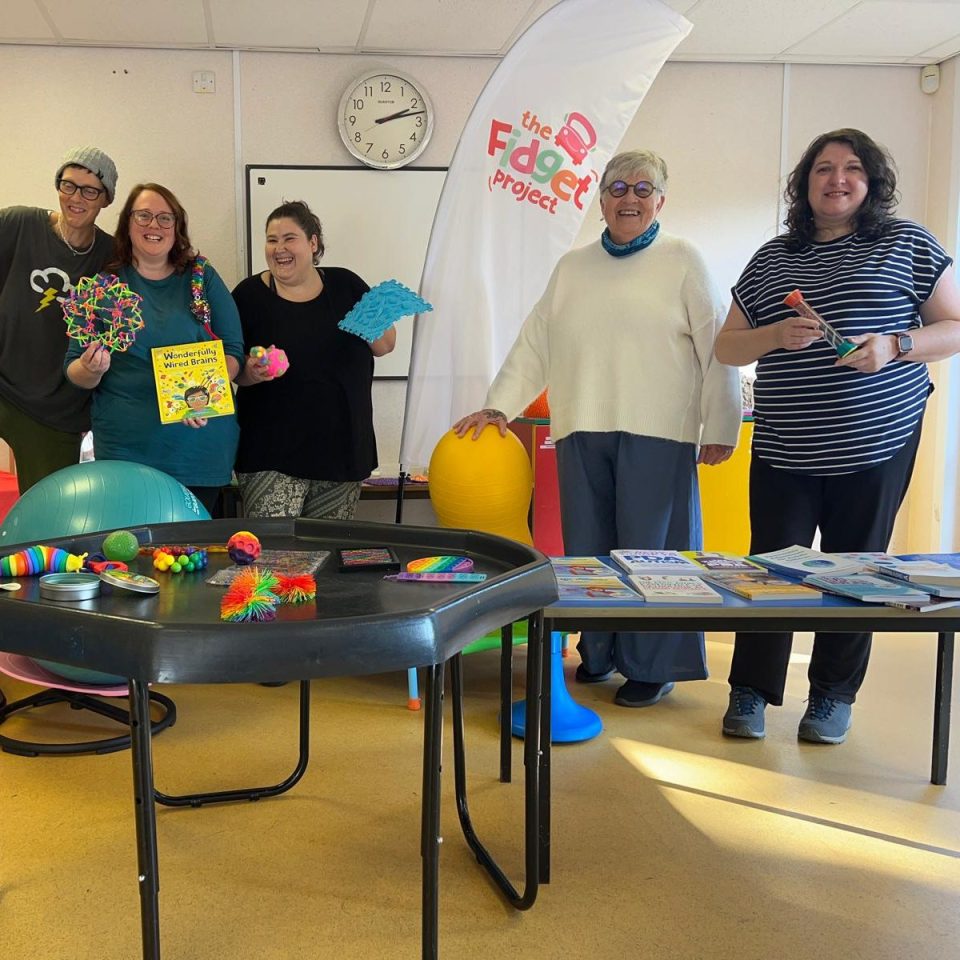
At The Fidget Project, we support parents and carers who are trying to understand their child’s sensory world.
Our lending library includes books and resources on sensory processing, eating difficulties, and neurodiversity, and our regular support sessions provide a welcoming space to share experiences, ask questions, and learn practical strategies from people who understand.
Whether your child has a diagnosis or you’re only just beginning to ask questions, you’re welcome.
How We Can Help
Our support groups and one-to-one sessions are open to all families, with or without a diagnosis or referral.
If you’d like practical guidance, sensory-informed advice, or simply a place where you won’t be judged, we’d love to meet you.
Visit our Get Involved page to learn more about our support sessions, lending library, specialist services, and ways to connect with The Fidget Project.
Because every family deserves support—and every child deserves to be understood.